Family Care
Children's Eye Care
Gentle, unhurried eye tests for children — from a first check at pre-school age to annual myopia monitoring through the school years.
Why children's eyes need their own approach
Children rarely complain about their vision, because they have nothing to compare it against. A child who has always seen a blurry whiteboard assumes everyone does. That is why paediatric eye care is built around observation and measurement rather than waiting for a child to speak up — and why a regular check is one of the most useful things a parent can book.
Vision develops through the first decade of life. Uncorrected long-sightedness, an eye turn, or a large difference between the two eyes can quietly hold that development back, and the earlier those things are found, the more straightforward they are to address. School vision screenings are a helpful safety net, but they are brief and check only distance vision; a full eye test looks at focusing, eye teaming and eye health as well.
When should your child have a first eye test?
As a general guide, we suggest a first comprehensive eye test at around three to four years old — old enough to cooperate with picture charts, young enough that anything found can be managed early. Book sooner if your child was premature, if there is a family history of squint, lazy eye or high prescriptions, or if anything about their eyes looks unusual to you.
After the first test, an annual check through primary and secondary school is the pattern we recommend for most children. If your child is already short-sighted, we may see them every six months so that changes are caught while there is still time to act — see myopia management for how we slow progression.
Warning signs parents should watch for
- Sitting very close to the television, or holding books and tablets unusually near the face.
- Squinting, tilting the head to one side, or covering one eye to look at something.
- Frequent eye rubbing, blinking or watering that is not explained by tiredness or allergy.
- Headaches after school or homework, or complaints that reading makes their eyes ache.
- Losing their place while reading, skipping lines, or avoiding reading altogether.
- An eye that drifts inwards or outwards, especially when your child is tired.
- A drop in schoolwork or reluctance to copy from the whiteboard.
None of these confirm a problem on their own, but any of them is a good reason to have your child's eyes checked properly rather than waiting for the next school screening.
What happens during the visit
A children's eye test with us usually takes about half an hour, longer if we are doing a full comprehensive consultation. We begin by asking you what you have noticed at home and at school, because parents are almost always the best source of information. We then check distance and near vision, measure the prescription objectively — which does not depend on your child answering questions correctly — and assess how the two eyes work together. Finally we examine eye health, front and back.
Everything is explained as we go, to you and to your child. If glasses are needed, we say so plainly and show you the measurements behind that recommendation. If they are not, we will tell you that too. We would rather see your child again in six months than sell a pair of glasses that is not required.
Making it comfortable for children
Children test better when they are relaxed, so we keep the pace slow and the language simple. Charts become games, the room stays bright and friendly, and nothing touches your child's eyes without being explained first. Parents stay in the room throughout. If a child is having an off day, we stop, take a break, and pick up where we left off — an incomplete test done kindly is more useful than a rushed one done in tears.
When it comes to choosing glasses, we let children take part. Being allowed to pick a frame they actually like is the single biggest factor in whether they will wear it. We steer them towards shapes and materials that suit their prescription and survive daily school life, then fit and adjust carefully so nothing slips or pinches. Our frame fitting page explains that process in more detail.
Tracking vision over time
One test tells you where a child is today; a series of tests tells you where they are heading. We keep records of every visit so that we can show you the trend — how much the prescription has moved, how quickly, and whether intervention is worth discussing. That history is what turns a routine check into genuinely useful information.
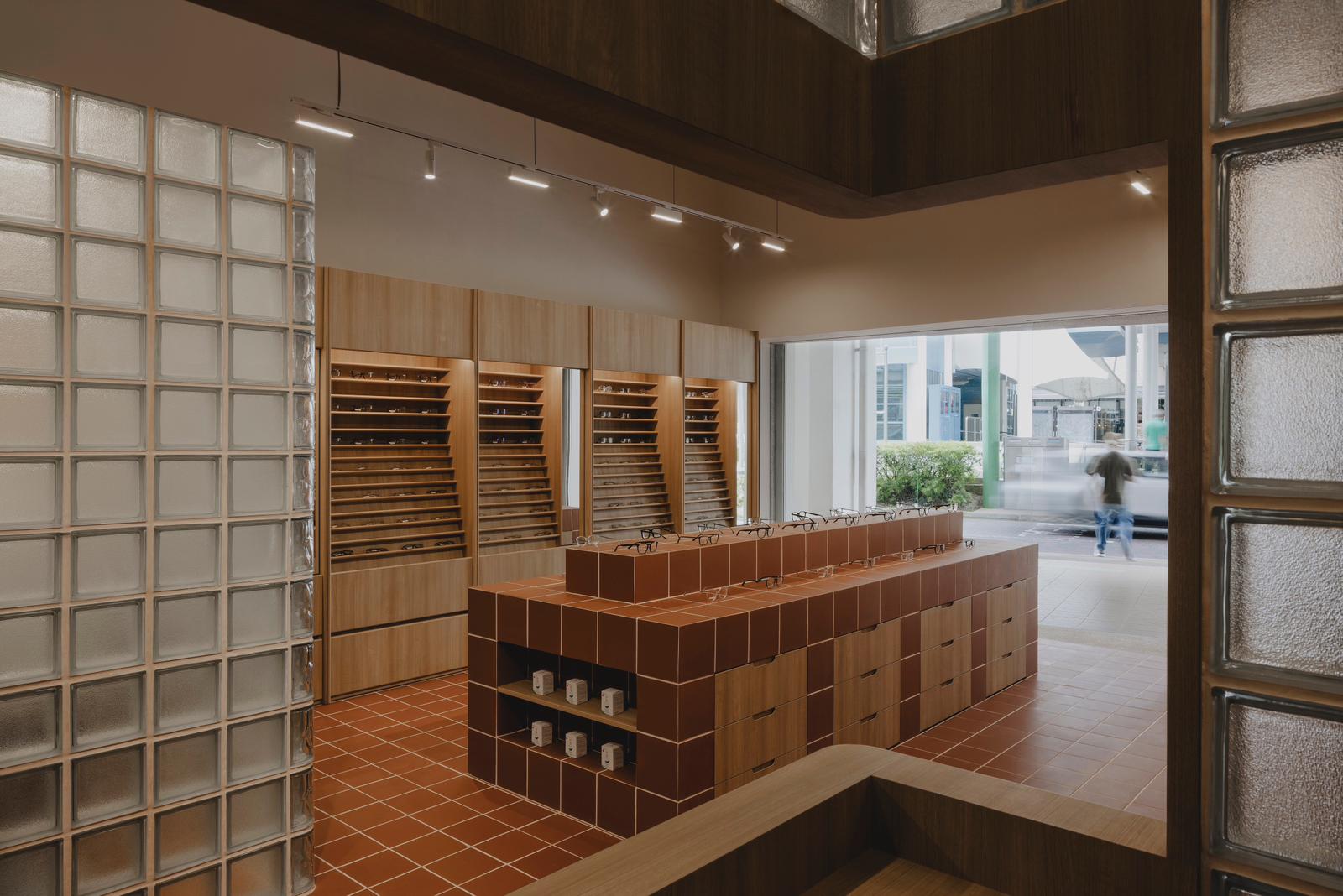
Eyecandy Optical is a family-owned practice that has looked after children across Fernvale, Sengkang and Punggol for nearly 20 years, and many of the children we first tested are now bringing children of their own. You can read more about us, see our full service list on the homepage, or find practical answers in our FAQ.
Book a Visit
To schedule an appointment, please call or WhatsApp us.
Eyecandy Optical, Blk 437 Fernvale Rd, #01-04A, Singapore 790437 (Opposite Seletar Mall). Open daily 11:00 AM – 8:00 PM, serving Fernvale, Sengkang and Punggol.
Explore More